
Overview
What Hunter.io is good for
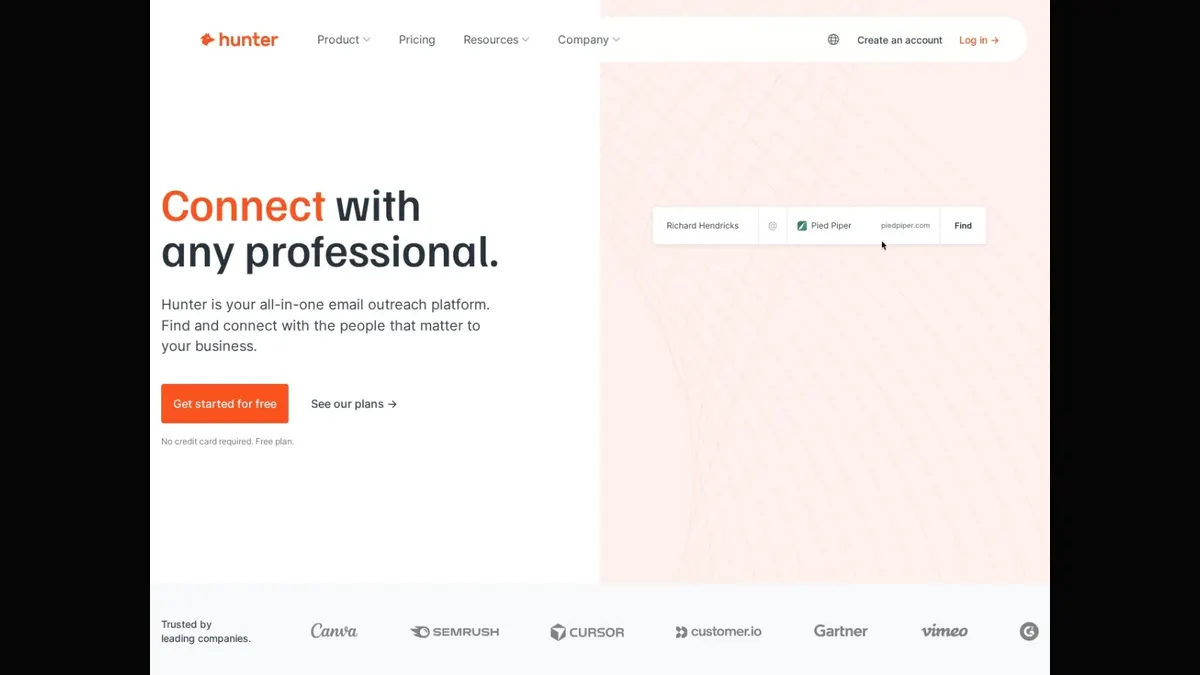
Finds and verifies professional email addresses for domain investigations and OSINT workflows.
Built for osint workflows.
Useful when evaluating email osint capabilities.
Helpful for email, osint, verification investigations and triage.
Evaluation guide
Quick decision notes
Investigators collecting public web, domain, URL, identity, and infrastructure evidence.
Confirm current pricing, data limits, account requirements, and licensing on the official site before production use.
#email · #osint · #verification
Use the categories, source links, and similar tools below to compare it with nearby options.
Use cases
Where it fits
Classification
Categories and tags
Sources
Official links and checks
Use these links to verify current plans, access requirements, documentation, releases, and support status.
Sponsored
Reach security teams evaluating tools like Hunter.io
Promote relevant security tooling, research, or category resources to analysts comparing tools in this workflow.
Sponsor or update a listingAlternatives and related tools
Similar tools
Technology profiler for websites.
1 shared categoryLink analysis for investigations.
1 shared categoryAutomated OSINT collection.
1 shared categoryCollect emails, hosts, and OSINT from public sources.
1 shared categoryCommunity IP abuse reputation.
1 shared categoryInternet asset and certificate search.
1 shared categoryReviews
Community reviews and comments
Comment provider is not configured yet. This placeholder keeps the review area visible while setup is completed.
FAQ
Questions about Hunter.io
What is Hunter.io used for?
Hunter.io is used for email osint workflows. Finds and verifies professional email addresses for domain investigations and OSINT workflows.
Is Hunter.io free?
The listed pricing model is Freemium. Check the official site for exact plan limits, usage restrictions, and current commercial terms.
Which teams should evaluate Hunter.io?
It is most relevant to teams working across osint workflows.
What are alternatives to Hunter.io?
Start with the similar tools section on this page. It highlights tools with overlapping categories, tags, and operational use cases.